Low-profile keyboards are becoming thinner and thinner. Hall Effect keyboards are pushing keyboard responsiveness in new directions.
But for many custom keyboard builds, neither is necessarily the best place to start.
Normal Profile Linear Switches are still effective as they feature the same height and travel of a traditional mechanical switch but with a gentler keystroke with no tactile bump or click. More importantly, they're part of a developed keyboard industry with manufacturers who can swap switches, keycaps, plates and cases without having to redesign the input system.
Gateron's ever-evolving and expanding Normal Profile Switches line showcases that diversity, from traditional series to newer enthusiast-focused switches.
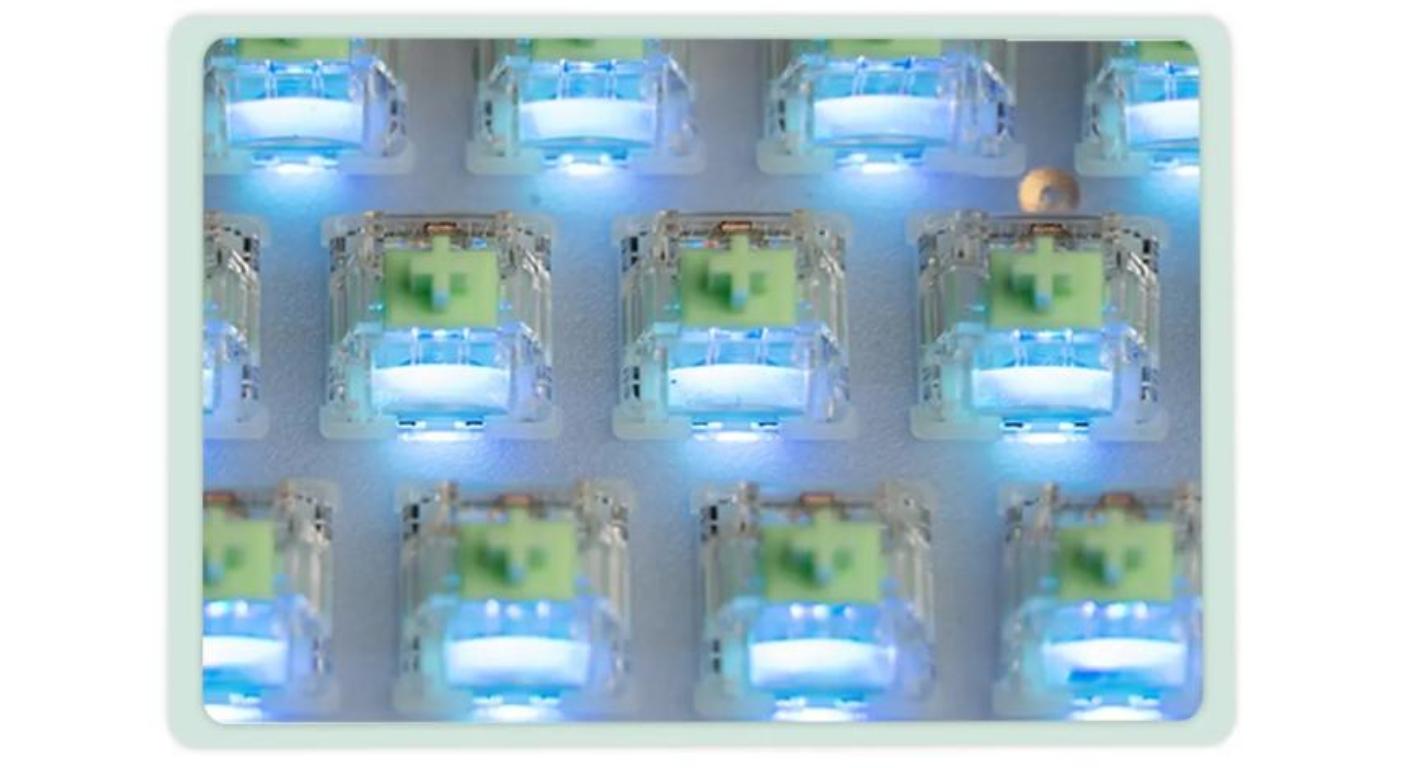
So the question is not if normal-profile switches are “old” or “new.
Whether or not they are right for their particular extra travel and traditional mechanical design is how the keyboard will be used.
Normal Profile Describes the Platform and Linear Describes the Press:
These are two different kinds of answers to different questions.
Normal profile is the standard mechanical switch format that is full height.
Linear is what the finger is feeling as the stem is being pushed down; a continuous line downward but not a bump like the tactile switch or click like the clicky switch.
This distinction is important as two linear switches with a normal profile may seem compatible, but may operate in very different ways.
Repeated game inputs can be easily made with a light spring. The same simple linear movement can be achieved with a stiffer spring, which makes it feel more controlled. The switch bottoming out position may be altered by a long-pole stem. Friction and sound will also vary depending on the type of housing material used.
Therefore, only selecting by “Linear” leaves most of the valuable specification work incomplete.
Full-Height Travel Provides the Finger with more Room
The difference between normal-profile linear switches and thin keyboard switches is simple: Normal-profile has typically got more vertical travel.
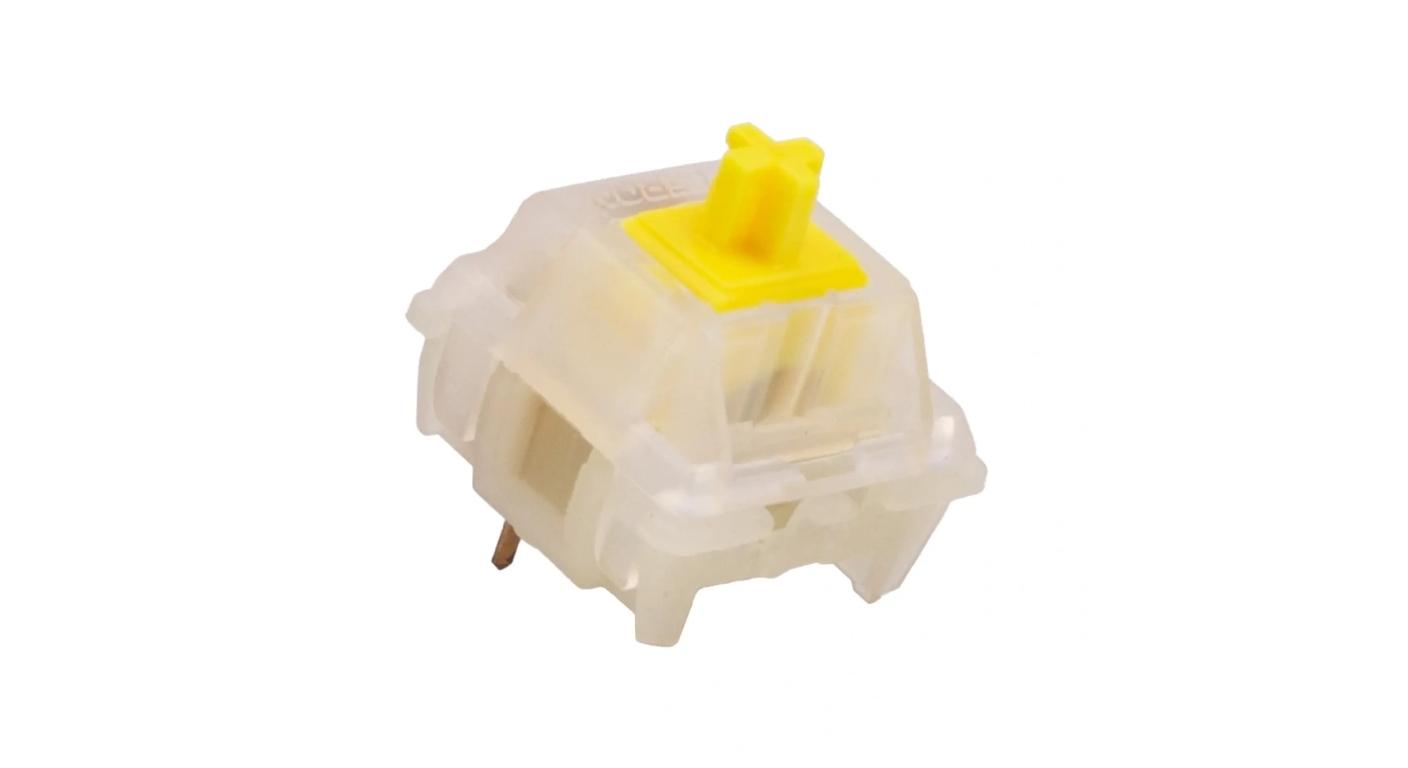
This additional movement results in more room between the start of the press and bottom out.
Some people write with the intention of not striking the end of their word. Others do it so hard that the bottom-out is a significant component to the keyboard feel and sound.
When considering the total travel in combination with operating force, both styles are more easily understood.
The normal-profile linear products from Gateron prove that there is no one size fits all when it comes to height. Some designs remain close to the traditional 4 mm path, and newer designs, for those wanting speed or a longer pole distance, reduce the distance.
|
Gateron Switch
|
Operating Force
|
Pre-Travel
|
Total Travel
|
Main Construction
|
Pins
|
|
Smoothie Linear
|
40±10 gf
|
2.0±0.6 mm
|
3.6±0.2 mm
|
Full POM
|
5-Pin
|
|
Milky Red Pro
|
45±15 gf
|
2.0±0.6 mm
|
4.0 mm
|
POM Stem / Milky Nylon Housing
|
5-Pin
|
|
Milky Yellow Pro
|
50±15 gf
|
2.0±0.6 mm
|
4.0 mm
|
POM Stem / Milky Nylon Housing
|
5-Pin
|
|
Oil King Linear
|
55±5 gf
|
2.0 mm
|
4.0 mm
|
POM Stem / Nylon Top / Ink Bottom Housing
|
5-Pin
|
Hence the pertinent question is not just:
“Does it have the full length?”
It is:
How is the available travel of this particular full-height switch utilized?
Spring Weight Changes the Character of the Press Before Bottom-Out
There's no physical switch event that makes it easy to see that the press has distinct stages in a linear switch.
You'll thus become one of the clearest signals your finger gets in spring.
The higher profile of the keyboard may actually make it feel rather fast in a lighter spring. The spring's force is more powerful and may be preferred by those who tend to press keys with greater force.
However, operating force cannot be understood by itself.
Two switches that require the same amount of force to operate are not necessarily the same because of spring length, progression, stem design and bottom-out force.
Gateron's Smoothie Linear Switch is made of full-POM construction, 22 mm dual-stage spring, and a total travel of 3.6±0.2 mm, which is not based in one traditional recipe.
Here's a reminder that “normal profile” is a physical characteristic and not a single force curve.
Housing material is one of the components of the keyboard's sound.
Online, switch sound is often described with a single-word label.
Real keyboards are not as co-operative.
While the housing of the switch plays a role in this, the plate, case, keycaps, foam, mounting style and even how hard the user types contribute to the result.
There are noticeable differences in material combinations within Gateron's range, which is ideal for experimenting, so consider using Normal Profile Linear Switches.
For example, the upper and lower housings are made of milky nylon while the stem is POM in the KS-3X1 Milky Yellow Pro. With full POM construction, the Smoothie follows another trail.
There is no automatic guarantee that a “better” sound will be achieved with either material recipe.
The main comparison to make is whether you want the tone and bottom-out characteristics you have with the switch in your own board or not.
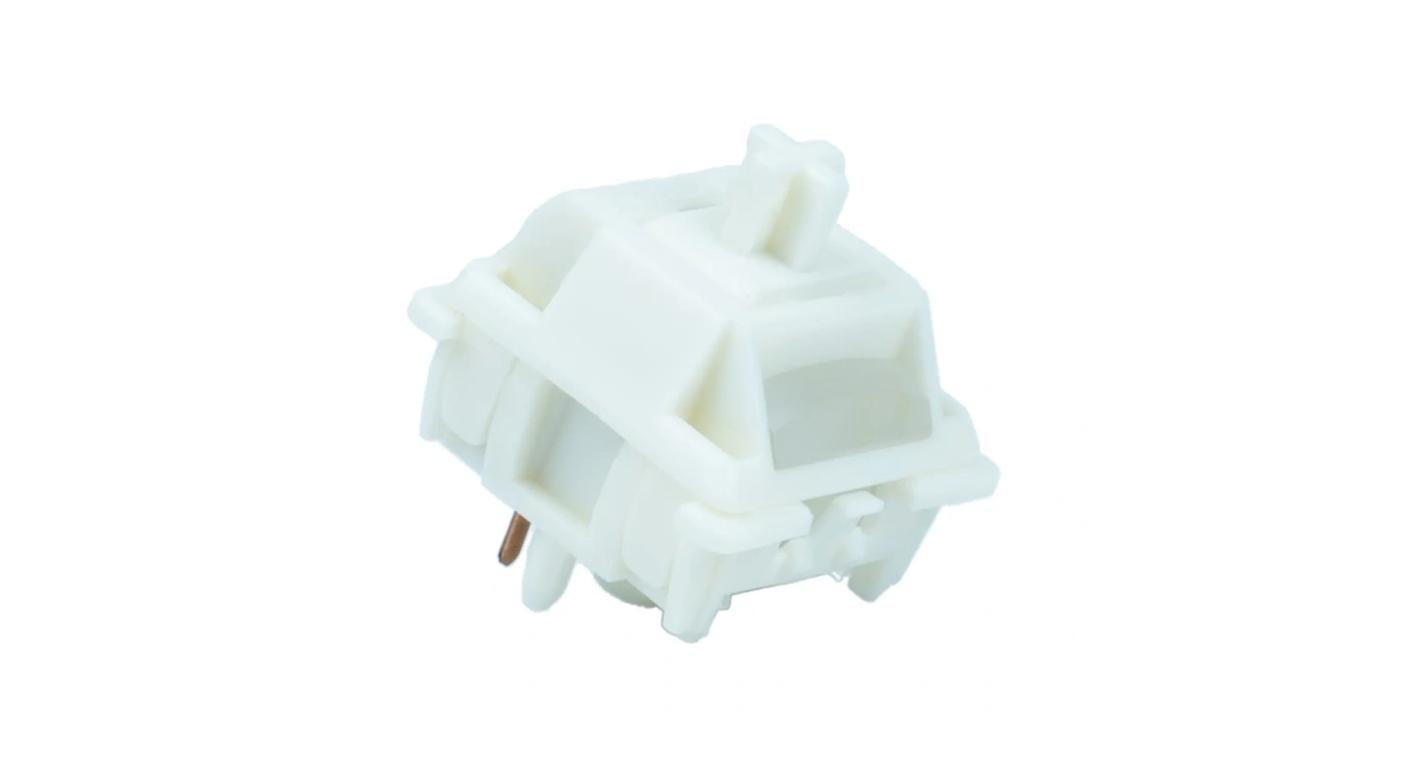
The secret to Five Pins is not that they are better linear feel, but that they are about installation.
This is another specification which is more talked up than it should be.
The 5-pin switch isn't smoother, just because it's a 5 pin switch.
Two pins are electrical contacts, center plastic post is for positioning on an MX style normal-profile switch, and the two extra plastic legs on a 5 pin switch are for extra PCB mounting support. Gateron's explanation of 3-Pin vs. 5-Pin Normal Profile Switches explains this difference in structure to you.
Either layout is suitable for a hot swap (plate mounted) keyboard, depending on the capability of the keyboard's PCB.
Switch stabilization can be achieved with the extra plastic locating legs (for PCB mounting).
The crucial thing is easy: check the PCB prior to ordering a complete set.
|
Check
|
What to Confirm
|
Why It Matters
|
|
PCB Mounting
|
3-pin, 5-pin or both
|
Determines physical installation
|
|
Hot-Swap Socket
|
Compatible MX-style socket compatibility
|
Ensures electrical and physical compatibility
|
|
Plate
|
Correct switch opening and support
|
Influences mounting stability
|
|
LED Type
|
SMD or plug-in support
|
Affects lighting compatibility
|
|
Keycaps
|
Compatible cross-stem keycaps
|
Ensures correct keycap mounting
|
Factory Lubing Saves Work, but It is Not the Same Switch Every Time!
There are many of the existing Gateron normal-profile linear switches that are already pre-lubed.
This is important as a full-size keyboard can take about 100 switches. The task of opening, lubricating and reassembling all of the switches makes it a much longer project when building a keyboard over a weekend.
Manufacturers lubrication can help to lessen any friction or noise from the springs and make the switches easier to operate from the package.
However, lubrication is just one aspect of the feel.
The factory lube Oil King Linear Switch for instance is a combination of factory lube, a POM stem, nylon top housing, Ink-material bottom housing and 20 mm spring. You can't say this is character just because of the lubricant.
So for the majority of users, pre-lube factory is best considered as less preparation, rather than a cut-through to every other specification.
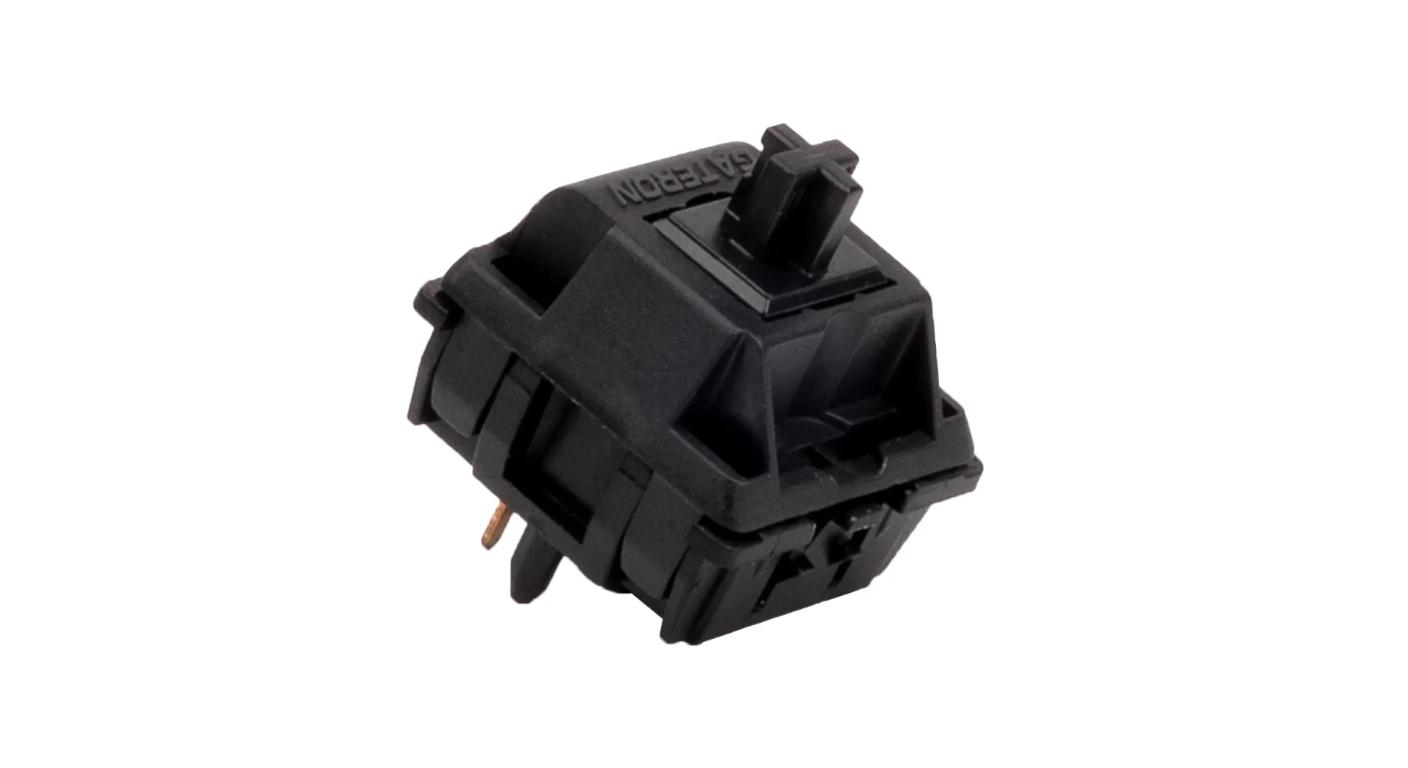
Normal Profile Works Great When You Wants The Keyboard Modular.
This is likely the biggest argument for retaining the format.
A “normal-profile” (standard) mechanical platform offers a lot of flexibility if a builder wants to try out switches today, keycaps next month and maybe another plate down the road.
It is also preferable for users who:
already have an appropriate MX-type hot-swap keyboard;
wants the more dramatic motion of a deep-key board;
want mechanical switch instead of Hall Effect;
frequently swap switches to switch sounds or power;
Type and play games with the same keyboard.
That is flexibility, which often is more important than pursuing one specification.
Test the Board, NOT Just the Loose Switch
A loose switch between two fingers doesn't mean much when it comes to the end result of a keyboard.
The plate can change how the force feels. The keycap can change the pitch.The case also affects resonance.
Otherwise quiet switch can sound totally different when pressed by Spacebar.
Test multiple candidates on the same keyboard, if possible. Place one on common letter keys, one on WASD keys and one on a bigger stabilized key.
Then type normally.
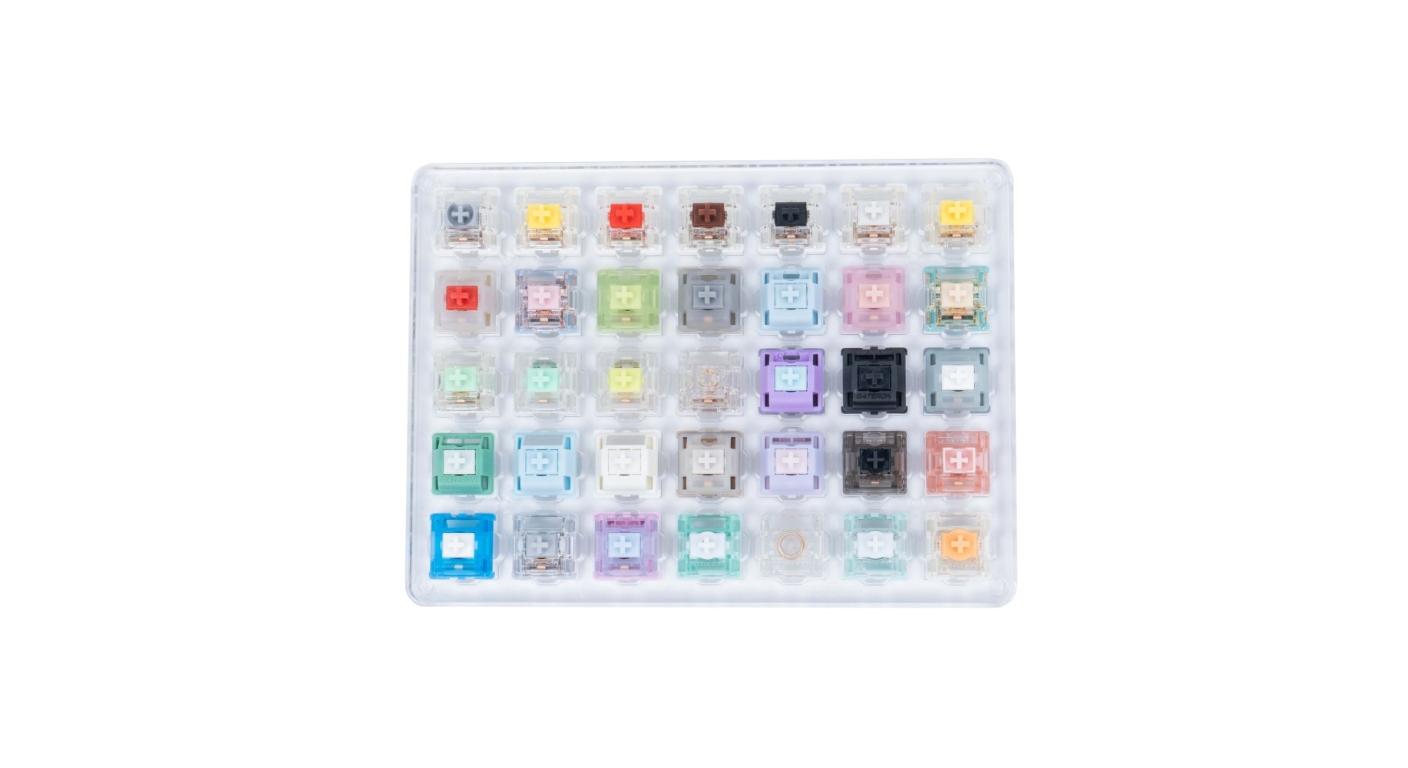
The easiest choice to make is for the Normal Profile Linear Switches to be a comparison similar to the keyboard that will be used, not repeated 1-finger presses on a desk.
Final Selection Check
Prior to purchasing a full set, break down the choice into four questions:
Which force do your fingers prefer to operate?
What's your preference for total travel?
Would the material and bottom out feel be suitable for your keyboard?
Does the PCB have the pin-out of the switch?
With those answers in hand, the number of options for the Normal Profile Linear Switches becomes a bit less daunting.
Not all the switches have to be traditional, that's the beauty of the format.
The same old mechanical platform can be used to create very different keyboards without requiring that the whole board change as well.
FAQ
Q1. Normal Profile Linear Switches – What are they?
These are standard-height mechanical keyboard switches that have a nice, non-tactile smooth keypress and no deliberate bump or click. There may be significant differences in force, travel, spring and material between different models.
Q2. Can you game with normal profile linear switches?
Yes. For repeat gaming inputs, less travel or lighter designs might be effective. The selection will depend on the force and travel that the user can exert comfortably.
Q3. Are all normal-profile switches 5-pin switches?
Normal-profile: MX switches can be mounted via either a 3-pin or 5-pin mounting structure. Please double-check when ordering the PCB.
Q4. Should you opt for pre-lubed linear switches?
They are helpful for people who want to have a smoother OOB experience and don't want to be forced to manually lubricate all of an entire switch set. Lubrication does not take the place of force, travel and construction comparison.
Q5. Normal-profile linear switches vs low-profile linear switches: which is louder?
Not necessarily. Switch height does not reliably indicate the sound the switch will make when typing on the keyboard because it is based on the switch construction, the keycap, the plate, the case, the stabilizers and the force applied.



