3 Pin Normal Profile Switches are often treated as the simpler option in the market, but the real buying decision is not about "better" or "worse." It is about fit. At GATERON, we see many clients enter the keyboard category with the same question: should they choose 3-pin or 5-pin switches for a custom board, a hot-swap model, or a product line intended for wider retail users? The answer depends on structure, compatibility, assembly goals, and the typing experience the final keyboard is expected to deliver.
Why This Comparison Still Confuses Buyers
Many buyers assume that pin count changes the core switch feel. In most cases, that assumption is inaccurate. The stem design, spring weight, housing material, factory lubrication, and contact structure shape the actual sound and feel more directly. The difference between 3-pin and 5-pin normal profile switches is mainly mechanical support and mounting compatibility, not the basic tactile identity of the switch.
That is why the topic often feels more mysterious than it should. A 3-pin switch can feel excellent. A 5-pin switch can also feel excellent. The better choice depends on the keyboard's PCB structure and the stability requirements of the build. From a manufacturing standpoint, this is an engineering decision first and a marketing decision second.
At GATERON, we recommend that clients begin with the keyboard architecture, not with online myths. Once the PCB, plate, socket design, and target user group are clear, the correct pin structure usually becomes much easier to identify.
What 3 Pin and 5 Pin Actually Mean
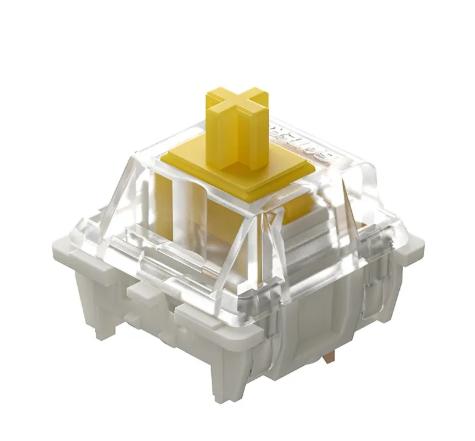
A normal profile MX-style switch generally includes the central stem, two metal contact pins, and a plastic mounting structure. In practical terms, a 3-pin switch uses the two metal pins plus one central plastic positioning post. A 5-pin switch has two extra plastic legs that help it stay in place and give it more support.
This is why people often choose 5-pin switches for builds where stronger alignment support is needed. Keychron says that MX-style hot-swappable keyboards can work with both 3-pin and 5-pin switches on sockets that are compatible with them. Some switch makers also say that the extra support legs make the structure more stable.
This is a simple way to see the difference:
✓ 3-pin switches are often used with plate-supported builds and are more compatible with a wider range of entry-level devices.
✓ 5-pin switches give you more positioning support and are often used in custom or PCB-mount builds that need to be installed more securely.
✓ The typing character is not determined by pin count alone.
That last point is important. Buyers should not expect a 5-pin switch to sound better merely because it has two extra plastic legs. The improvement is structural, not magical.
Where 3 Pin Normal Profile Switches Make Sense
For many commercial applications, 3 Pin Normal Profile Switches remain a highly practical choice. They are easier to position in many mainstream keyboard configurations, and they reduce friction for buyers who want a straightforward replacement or upgrade path. GATERON's own G Pro switch information highlights compatibility with 3-pin MX mechanical keyboards, which reflects the continued relevance of this format in the broader market.
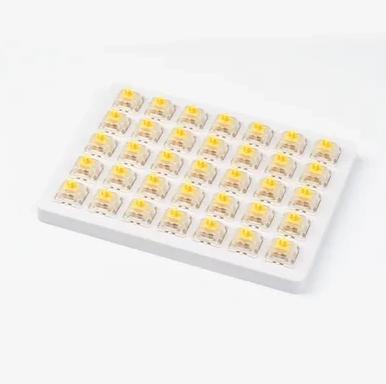
This makes 3-pin especially useful in several scenarios. A brand launching an accessible hot-swap keyboard may want to reduce decision complexity for new users. A distributor selling switch packs into mixed retail channels may prefer a format that feels less intimidating to entry buyers. A client building a plate-assisted keyboard line may also view 3-pin as the cleaner commercial solution.
From our perspective, 3-pin is often the right answer when the project requires:
✓ Simple replacement logic for mainstream users
✓ Good compatibility planning for common MX-style boards
✓ Efficient assembly for broader-volume keyboard programs
✓ Lower decision friction for first-time switch buyers
This does not make 3-pin "basic." It makes it commercially efficient.
When 5 Pin Is the Better Structural Choice
A 5-pin switch becomes attractive when the project places more emphasis on direct PCB support, tighter switch positioning, or a more stable custom build process. GATERON product listings show that some switch families are offered in both 3-pin and 5-pin versions, while other product pages explicitly describe certain switches as 5-pin linear switches built for secure MX-style hot-swap or custom layouts.
For experienced builders, that added support can be meaningful. In certain assemblies, especially where users are highly sensitive to switch movement during installation, the extra plastic legs can help deliver a steadier fit. This is one reason 5-pin remains popular in the custom keyboard segment.
Still, the decision should remain practical. If a board is not designed to accept a 5-pin structure, forcing that choice creates unnecessary complications. Buyers should always match the switch structure to the PCB and socket design first.
How GATERON Approaches the Buying Decision
At GATERON, we do not frame the decision as myth versus magic because that language can distract from what matters. We frame it as application versus requirement.
A professional buyer should evaluate four questions in sequence. First, what PCB structure is being used? Second, is the keyboard intended for entry users or enthusiasts? Third, does the build rely more heavily on plate support or on PCB-mounted stability? Fourth, what sales channel will the final product enter?
If the answer points toward broader accessibility and lower installation complexity, 3 Pin Normal Profile Switches may be the stronger commercial choice. If the answer points toward custom builds and stronger positional support, 5-pin may be the better fit.
This is also where product specification matters more than slogans. GATERON maintains technical and product reference pages for switch specifications and product families, which buyers should review before finalizing a sourcing decision.
A Practical Recommendation For Buyers
For most clients entering the category, the safest rule is simple: buy for compatibility first, feel second, and marketing language last. Once the board structure is confirmed, then it becomes worthwhile to compare linear, tactile, clicky, silent, pre-lubed, or upgraded stem options within the correct pin format.
Final Answer: Which One Should You Buy?
The best answer is not universal. 3 Pin Normal Profile Switches are often the smarter choice for accessible products, mainstream compatibility planning, and smoother onboarding for newer buyers. A 5-pin switch is often the stronger choice for custom projects that value extra positioning support and a more enthusiast-oriented build path.
At GATERON, we encourage clients to move past myths and select the switch format that serves the keyboard's real design logic. That approach leads to fewer compatibility mistakes, better product planning, and a more convincing end-user experience.
If you are evaluating your next keyboard project, review GATERON's switch specifications and current switch families first, then match pin structure to PCB design before choosing feel variants. That is the most reliable route to a smarter purchase decision.



