What sensations are felt when using the keys of mechanical keyboards? For many people across the globe, answering this question is the basis for mechanical keyboards when typing or playing a game. The preference for linear or tactile switches entails more than a mere preference. It also requires the understanding of engineering mechanics on an experiential basis. When considering the choice between Linear Vs. Tactile Switches, an interesting yet simple distinction is that tactile switches provide a bump. In contrast, linear switches are an example of smoothness without interruption.
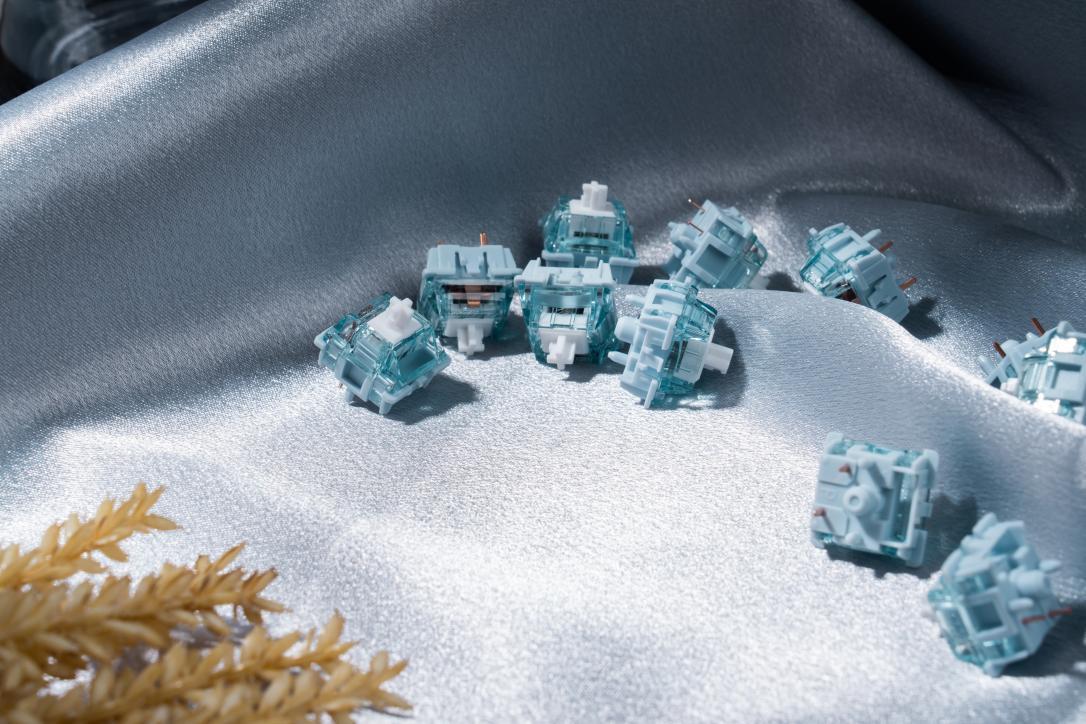
The Primary Consideration of Linear Vs. Tactile Switches
What Are Linear Switches?
The definition of Linear switches is the least complex among the numerous other switch designs.
- Consistent travel: Linear switches present a consistent keystroke that is smooth from the top to the bottom. There is no obstruction or change in the resistance.
- Uniform increase: The force for pressing linear switches is uniformly and progressively distributed throughout the distance of the keystroke.
- Completely predictable: Due to the absence of any interruption by a tactile bump, the motion of linear switches is most relatable and effortless.
What Are Tactile Switches
Tactile feedback switches have a number of distinct features. They include:
- A keystroke resistance point that gives a bump in the downward path of the switch stem.
- Confirmation without keystroke bottoming out: tactile bumps signal the keystroke actuation without requiring that the keystroke be bottomed out.
- A "Goldilocks"choice: because tactile bumps are a middle path between a smooth linear switch and a clicky switch, they are the preferred choice for a lot of gamers and typists.
- A keystroke bump can appear and be designed to as subtle to pronounced in the various points along the downward path of a keystroke.
The Sensory Experience: From "Straight Up and Down In Motion" to "Tactile Confirmation"
1.The Linear Experience: Pure, Uninterrupted Motion
Gamers that prefer linear switches are also sold on the linear switch by the lack of distraction:
- Uninterrupted motion: Downward motion is uninterrupted when pressing a linear switch. Linear switches require no noticeable change in resistance from the typist to the bottom of the key.
- Ideal for rapid repetition: action packed FPS games especially thrive on the rapid responsiveness and short actuation linear switches provide.
- The "thocky" sound signature: Deep and smooth linears are the most sought switches in the online keyboard enthusiast communities.
- Consistent force curve: an ideal linear switch would show a straight line through the course of key travel and force exerted during the actuation, which is consistent and predictable.
2.The Tactile Experience: Feedback Informing Every Press
Tactile switches make typing a more thoughtful process: a small resistance point. A tactile bump has a sufficient level of resistance when pressed to indicate the closure of the switch at its actuation point.
- Less impact to the key base: The bump indicates the switch has been actuated (registered a keystroke) before the key bottoms out.Users of tactile switches typically let the key go at the actuation point. The impact to the key base is reduced significantly, and so is finger fatigue, allowing users to type for longer durations comfortably.
- Better feedback can improve typing accuracy: This feedback reinforces the muscle memory and decreases the tendency to inadvertently press the key.
- Design of the switch dictates the feedback: The strength of the bump and the force it takes to overcome the bump is more important than the feedback sharpness and the audibility of the switch itself to differentiate between switches.
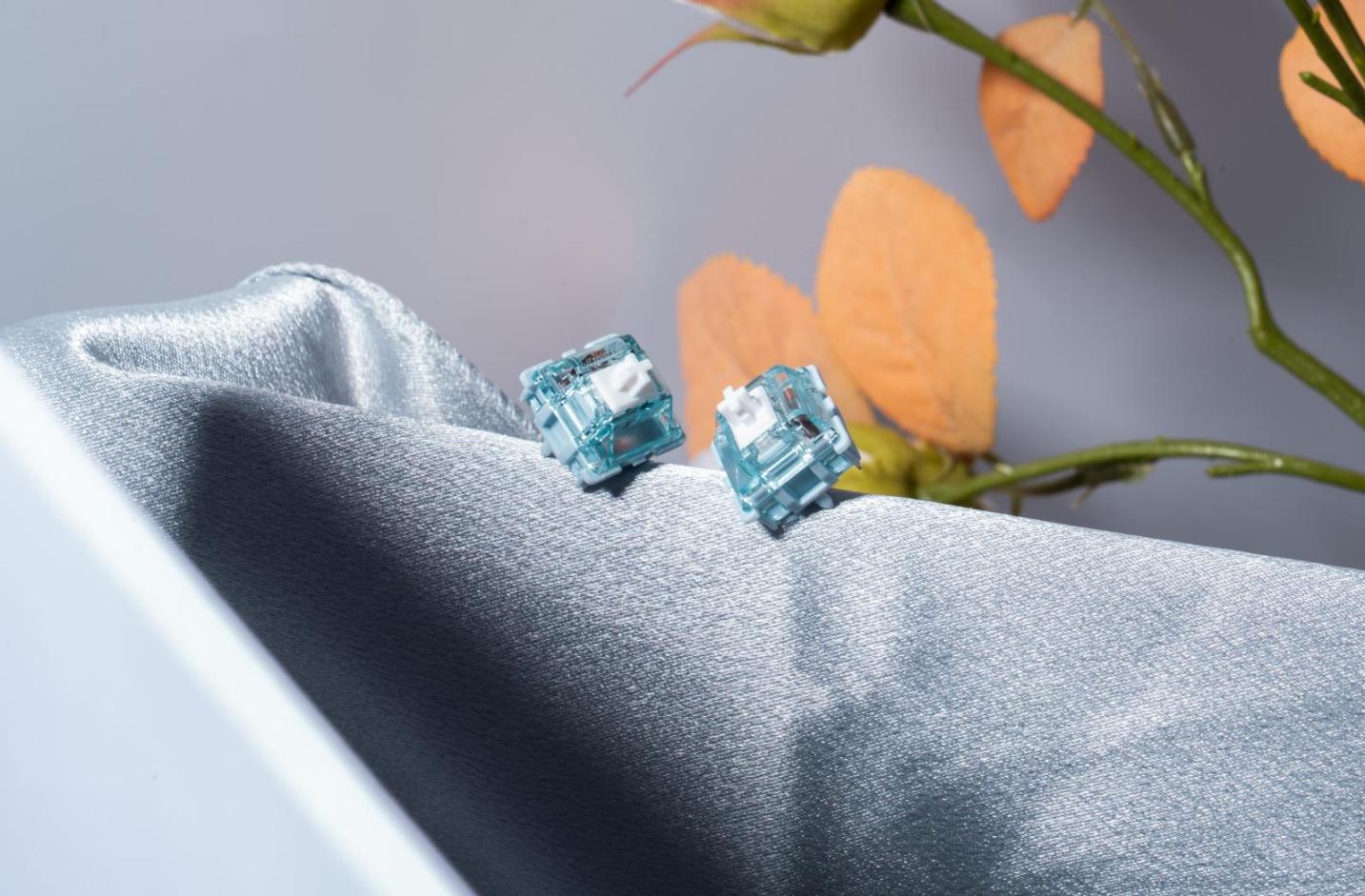
GATERON: Excellence in Linear and Tactile Switches
Huizhou Jiadalong Electronic Technology Co., Ltd. has made a name with sales of micro switches, various kinds of mechanical keyboard switches (mechanical, optical, magnetic), waterproof switches, and more with a focus on research, and design. With clear focus on research and development, design, and production, GATERON has quickly become one of well-known manufacturers of mechanical switches for keyboards.
1.Excellent Quality and Reliability
- Longevity: GATERON switches have a lifespan of 50 million keystrokes. The GATERON Zero linear switch set, for example, is rated for an impressive 80 million keystrokes.
- 100% inspection: The company strictly implements a comprehensive quality management system and conducts 100% inspection throughout every production process to guarantee that all products fully meet customers'quality requirements.
- Industry certifications: GATERON is able to provide customers with trustworthy products globally thanks to their attainment of ISO 9001, UL, and IATF 16949 certifications.
2.Material Innovation for Superior Feel
GATERON designs products with a focus on Material Science and Precision Engineering, such as:
- POM stem technology: GATERON switches utilize POM (polyoxymethylene) stems, which are self-lubricating, thereby minimizing friction and enhancing their performance by also resisting oxidation.
- Full POM construction: Select GATERON switch models feature full POM housings (top, bottom, and stem). This material's inherent self-lubricating properties reduce friction and ensure fluid, consistent keystrokes throughout the switch's lifespan, while also resisting oxidation and corrosion.
- Precision-molded housings: GATERON series such as the Jupiter switches offer housings with newly found precision and soft diffusion for backlighting.
- Nylon bottom housings: GATERON offers a one of a kind typing experience by combining a precisely molded nylon bottom housing with POM stems.
3.Factory Pre-Lubrication: Smoothness Out of the Box
- Pre-lubed technology: GATERON's factory pre-lubed technology provides a superior, smooth, and quieter typing experience.
- Optimized performance immediately: Users experience satisfying and fully functional switches straight from the box. There's no requirement for labor intensive manual lubrication.
- Consistent application: Factory lubrication guarantees uniformity which is notoriously troublesome to expect throughout a complete set.
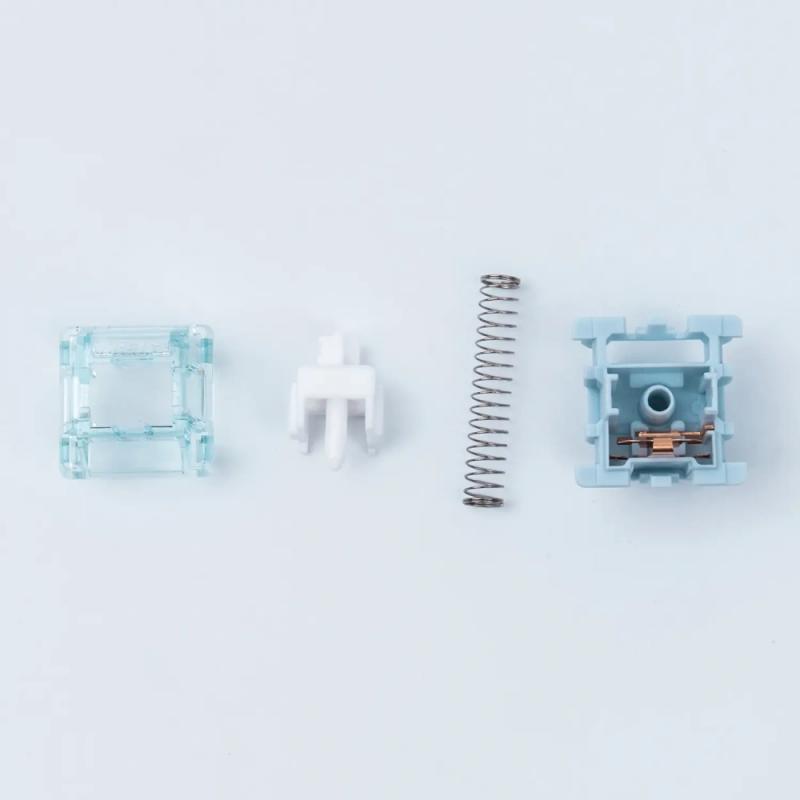
4.Diverse Product Lines for Every Preference
GATERON offers a large variety of options for customers today that prefer either linear or tactile switches:
- GATERON Jupiter Series: GATERON Jupiter Series switches are available in a Red (linear), Brown (tactile), and Banana (tactile) variety. The Banana switch features a two-stage spring which provides stronger tactile bumps and a quicker return.
- Gateron G Pro 3.0 Series: Designed for a seamless hot-swap experience, the Gateron G Pro 3.0 Series upgrades pins for better durability by lowering chances of bending during detachment and reattachment of the switch.The series offers a wide selection of linear switches in five colors (White, Silver, Red, Yellow, and Black), as well as tactile (Brown) and clicky (Blue) variants to suit different typing preferences.
- Gateron Zero Linear Series: Offers an even quieter typing experience thanks to vertical actuation with steady downforce and a built-in RGB diffuser.
- Magnetic Switch Technology: Using Hall-effect technology, Gateron activates switches through magnetic repulsion instead of physical contact. Combined with a dual-rail design, this technology offers a faster and smoother actuation with greater stability and minimal wobble.
5.Innovative Design Features
- Dual-rail stability: Gateron's dual-rail design provides immense stability for the switch stem, giving Gateron confidence through even the toughest gaming sessions.
- Hot-swap compatibility: Gaterons 5-pin PCB mount design paired with newly upgraded pins makes the ultimate flexible, durable switch for all DIY keyboard lovers.
- Superior RGB: Light guide columns paired with LED diffusers embedd throughout the switch design create a smoother, more unified RGB experience.
- Force Variants: Gateron switches offer a spectrum of actuation forces from light (38gf) to heavy (60gf).
Making Your Decision: Linear vs Tactile Switches
1.Reasons to Choose Linear Switches
- Best Switches for Fast Switching Games: Linear switches are great for first-person shooters or other action-oriented games because of their actuation speed and smoothness.
- Best Stability: Linear switches are great for users that prefer stability during actuation.
- Perfect for Quiet Environments: Linear switches are great if you game/switch late at night or in a shared workspace.
- Less Fatigue After Prolonged Use: Linear switches with low actuation force can minimize finger fatigue whether used in typing or gaming activities that prolong for a long period.
2.When to Use Tactile Switches
- If your work consists of a lot of typing: Tactile switches help to reduce both typing errors and fatigue with the added physical confirmation.
- Hybrid use: Half typing and half gaming also works for tactile switches.
- Actuation feedback: Tactile switches are great for users that prefer feedback upon key actuation rather than sound.
- Moderate-paced gaming: For MOBA and strategy games, tactile switches are great for their feedback in precise actuation.
3.Conclusion: The Journey Continues
When deciding between tactile and linear switches, remember that both have their pros and cons—neither is objectively superior to the other. What matters most is how different manufacturers, including GATERON, have continually expanded the possibilities in switch design to cater to diverse user preferences.
Through patented constructions, rigorous quality control, and ongoing innovation across both linear and tactile switches, GATERON has established long-term partnerships with numerous mechanical keyboard brands. This trust has enabled GATERON to consistently release new product lines, including professional-grade DIY switches, while maintaining full in-house mold design and manufacturing capabilities.
Whether you feel the bump of a tactile switch or glide smoothly along a linear one, GATERON's commitment remains the same: delivering an exceptional feel with every single keystroke.
Frequently Asked Questions
Q1: What's the difference between tactile and linear switches?
A:Linear switches are continuous and bump-less, while tactile switches have bumps mid-travel indicating actuation.
Q2: What's better for gaming?
A:Because of their speed, FPS games benefit from the use of linear switches. Tactile switches provide better response times for abilities in MOBA and Strategy games and are better for Turn-Based games as well.
Q3: Which is better for typing?
A: Tactile switches are more preferred as they indicate an actuation, and as a result less bottoming out occurs which causes less fatigue to the fingers.
Q4: Are linear switches quieter than tactile switches?
A: Yes, linear switches are typically quieter because they lack the extra mechanical collision that produces the tactile bump's sound, though both can be made even quieter with factory pre-lubrication.
Q5: Does GATERON offer both linear and tactile switch options?
A: Absolutely – GATERON produces extensive linear series (G Pro, Jupiter Red, Zero Linear, Magnetic) and tactile series (Jupiter Brown, Jupiter Banana, G Pro Brown), all with premium quality.



