Changing the way a keyboard feels shouldn't require a bench full of tools. With Gateron Hot Swappable Switches, you press a switch into a purpose-built socket, try it under your fingers, and pull it back out when you're ready to explore something new. That speed turns guesswork into real testing. It also keeps your build cleaner, slimmer, and easier to maintain over time.
What Makes Hot Swappable Switches Different
Traditional builds lock in your choice. Every switch is soldered, so tweaking a single key means heating pads, pumping flux, and hoping you don't lift a trace. Hot swap flips the script. You solder the socket once, and the socket handles every swap afterward. Push in a switch from the top. It seats with a confident click. When you want a different sound or feel, pull it back out and try again.
That simple loop serves everyone. New builders get a gentler on-ramp to custom keyboards. Enthusiasts can A/B test linear versus tactile on their actual desk, not in a vacuum. Makers prototype layouts faster, reduce rework, and keep focus on design. With Gateron Hot Swappable Switches, the routine becomes repeatable, safe, and fast—exactly what you want when dialling in a board you'll use all day.
Why Choose Low Profile Today?
Work travels more than ever. Laptops, tablets, and compact desks are the norm, and low-profile keyboards fit that reality. Shorter total travel—often around 2.5–3.2 mm—means a quick return and snappy response. Cases are thinner, angles are gentler, and bags pack easier. For gaming, that speed feels immediate. For remote work, a lower height eases long sessions.
Hot swap multiplies the advantage. You get a slim, modern board without giving up personalization. If you prefer a light linear on WASD and a crisper tactile on the home row, you can set it up in minutes. No desoldering, no downtime. Gateron has spent years refining low-profile switch geometry, stabilizer alignment, and smooth travel. Pair that engineering with hot-swap sockets, and you have a portable keyboard that still feels custom.
Inside the Low-Profile Hot-Swap Socket
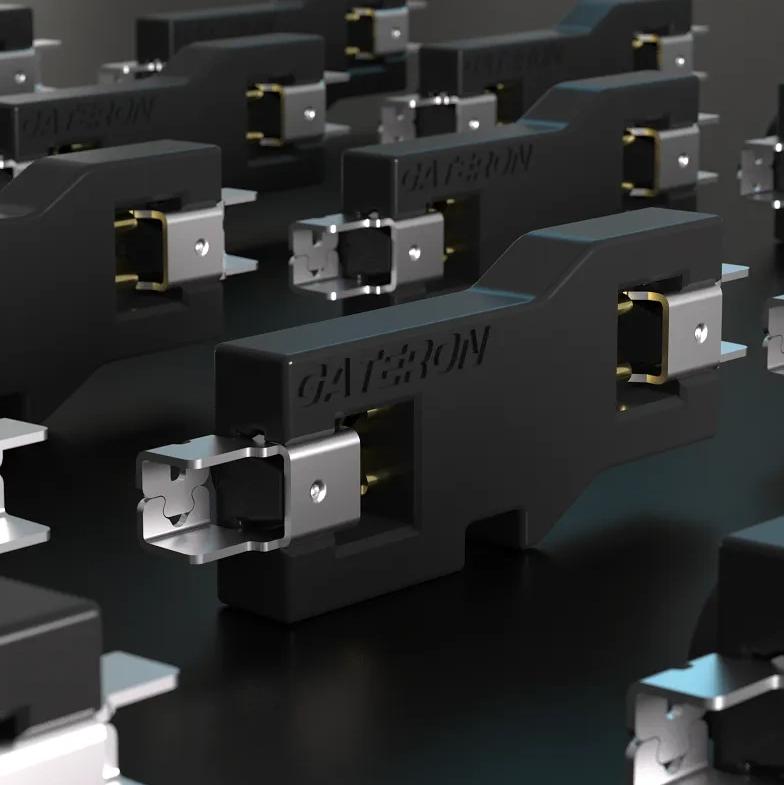
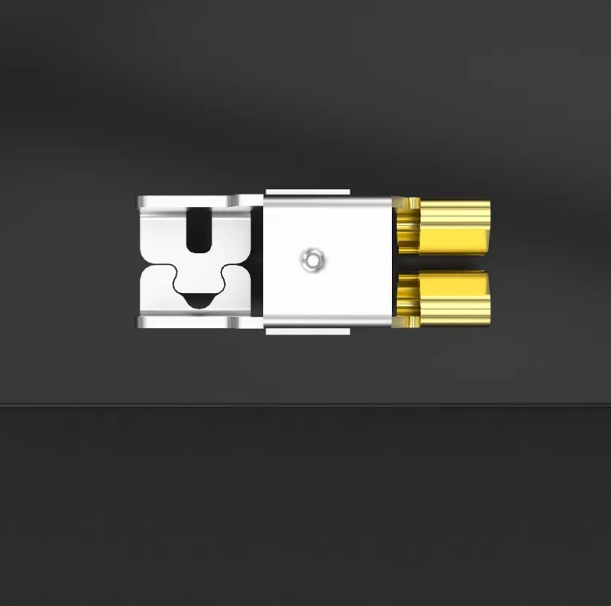
Reliability lives in the socket. In Gateron Hot Swappable Switches, the upgraded low-profile PCB socket is designed for one soldering step and long-term reliability through many cycles.
- Reinforced Housing: The black shell employs targeted metal reinforcement to focus strength in key regions. It holds pin pressure steady and reduces wear from recurring swaps.
- Low-Profile Geometry: Built for PCB-mount, low-profile switches, the socket enables compact cases, clean layouts, and uniform plate alignment.
- Secure, Top-Side Insertion: Sockets are soldered to the underside of the PCB. Switches insert from the top with a snug, repeatable fit that stays stable during daily use.
- Scalable Packaging: Bulk options simplify line assembly for labs and brands and cut down on excess material compared with individual packs.
Tight tolerances and a contact design that grips without scarring pins deliver reliable actuation across the board. The result is a socket that respects your PCB, protects your pads, and makes swapping feel natural rather than fragile.
Real-World Benefits for Every User
Gateron Hot Swappable Switches turn engineering detail into everyday gains you can feel and measure.
- Swap just a few keys to compare sound and tactility side by side.
- Create tuned zones: tactile on letters, linear on gaming clusters, damped switches on modifiers.
- Replace a failed switch in minutes—no soldering skills needed.
- Have a small spare pack ready for instant replacements.
- Smarter Inventory Management
- Provide one PCB; lock in switch choice at the end of the build.
- Bulk sockets save time on assembly and cut packaging waste.
- One-pass soldering reduces heat cycles that can weaken pads and traces.
- Reinforced sockets hold alignment and dependable electrical contact over time.
Beginners learn by doing rather than fighting solder joints. Professionals shorten development cycles and simplify after-sales service. Brands can support multiple seasonal switch experiences on a single PCB without a hardware redesign.
Getting Started: From Solder to Swap
Set up the foundation once. Enjoy flexibility for the life of the board.
- Verify compatibility with low-profile, PCB-mount switches.
- Pick initial test areas—home row, spacebar, arrow keys, or gaming clusters.
- Solder sockets to the PCB underside with even, reliable joints.
- Confirm pin path alignment for straight insertion; careful, deliberate placement pays.
- Push switches straight down until they seat firmly; do not rock or overforce.
- Connect, then run a key tester to validate actuation and stability on every key.
- Start with two switch types on a few high-frequency keys.
- Listen on your actual desk surface; different materials affect tone.
- When you land on the feel you prefer, expand it across the layout.
A few practical notes help keep swaps smooth. Work in good light, protect switch pins during handling, and consider an ESD strap if you're assembling near sensitive electronics. If you adjust stabilizers on longer keys, test them before closing the case—tight clearances on low-profile boards reward careful setup.
Tips to Dial in Sound and Feel
Small changes add up. These tactics help you get the most out of a hot-swap, low-profile build.
- Desk Surface And Acoustics: Hard tops brighten higher frequencies; soft mats mellow them. Test both to hear how your board interacts with your space.
- Case And Plate Materials: Stiffer plates sharpen feedback; more flexible designs soften the landing. Match materials to your typing style.
- Keycaps Matter: Low-profile keycaps vary in thickness and plastic blends. Those differences shape resonance and perceived travel.
- Thoughtful Lubing: A light, even application can smooth minor scratch and tame harsh notes. Avoid the leaf on tactile switches and keep stems clean to preserve the bump.
- Stabilizer Tuning: Properly lubed and clipped stabilizers cut rattle on space, enter, and shift without muting the board's character.
- Targeted Zones: Put your favourite switch where your fingers spend the most time. You'll feel big gains from a small number of swaps.
Each test loop teaches you something. Keep notes, swap a few keys at a time, and trust your hands and ears over spec sheets.
Call to Action: Test Feels Fast, Tune Your Typing
From a first build at home to a production run on a line, Gateron Hot Swappable Switches remove friction from exploration. Metal-reinforced black socket housings, low-profile PCB-mount compatibility, and efficient bulk packaging create a path that's fast for creators and dependable for brands. If you're new, pick a low-profile layout, seat a starter set, and learn by swapping. If you're an OEM or studio, integrate low-profile hot-swap sockets in your next board to shorten cycles and simplify service.
Ready to try it for yourself? Choose a layout, drop in your first set, and iterate until your keyboard feels like an extension of your hands. Reach out to Gateron for samples, bulk packaging options, or collaboration. With Gateron Hot Swappable Switches, the journey from idea to ideal feel gets faster, safer, and more fun—so you spend more time typing and less time tinkering.



